Is Hong Kong's reliance on tourist‑driven shop markets a sign of uneven recovery?
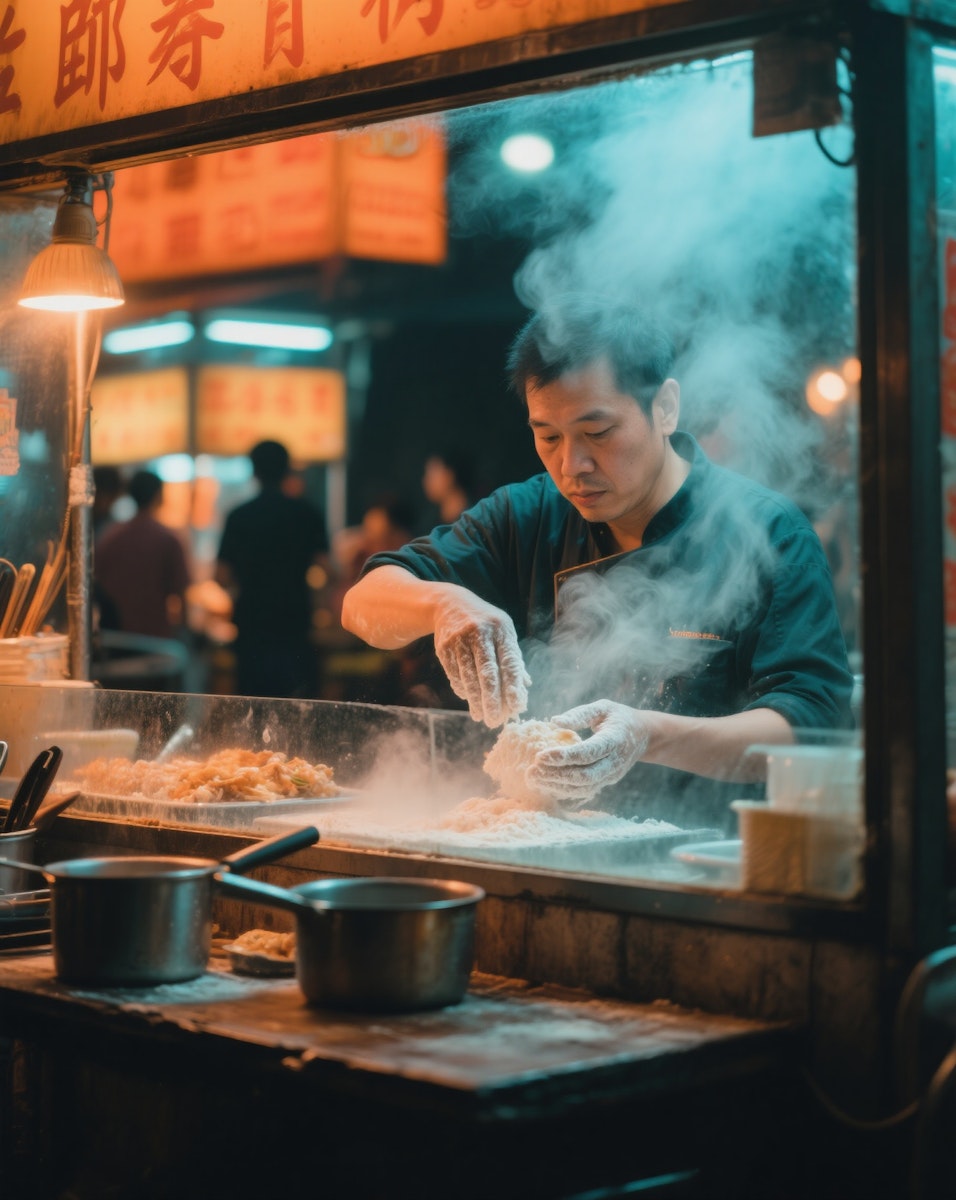
Hong Kong's tourism sector has rebounded, with visitor arrivals rising 14% year-on-year to 22.9 million in the first five months of 2026. However, this growth is largely driven by tourists seeking local dining experiences, rather than luxury shopping. The expansion of roast meat chains, which offer a simpler menu selection compared to traditional cha chaan tengs, has benefited from these changing spending patterns. The significance of this trend lies in its implications for the social and environmental sustainability of Hong Kong's shop markets. The reliance on tourist-driven demand raises concerns about the gentrification of local neighborhoods and the displacement of small businesses. Furthermore, the focus on prime street-level shops may exacerbate urban heat island effects and contribute to air pollution. In terms of governance, this trend highlights the need for policymakers to strike a balance between supporting local consumption and catering to tourist demand. Looking forward, Hong Kong's shop market recovery poses significant challenges for ESG considerations. The government must prioritize policies that promote sustainable tourism practices, support small businesses, and address urban planning issues. Investors and regulators should also scrutinize the environmental impact of shop expansions and ensure that corporate actions align with international sustainability standards. Ultimately, this trend signals a need for Hong Kong to reevaluate its approach to economic development and prioritize long-term sustainability over short-term gains.

Subscribe to us!
Sign up to explore insights and stay connected.


Let's Collaborate!
To provide more relevant information, it would be helpful to clarify the specific context or area.


Our Phone
+(852) 3156 7929
Our Email
Our Address
23/F, Tower 2, Enterprise Square Five, 38 Wang Chiu Road, Kowloon Bay, Kowloon, Hong Kong