Is the Voluntary Carbon Market Failing to Deliver on Climate Promises?
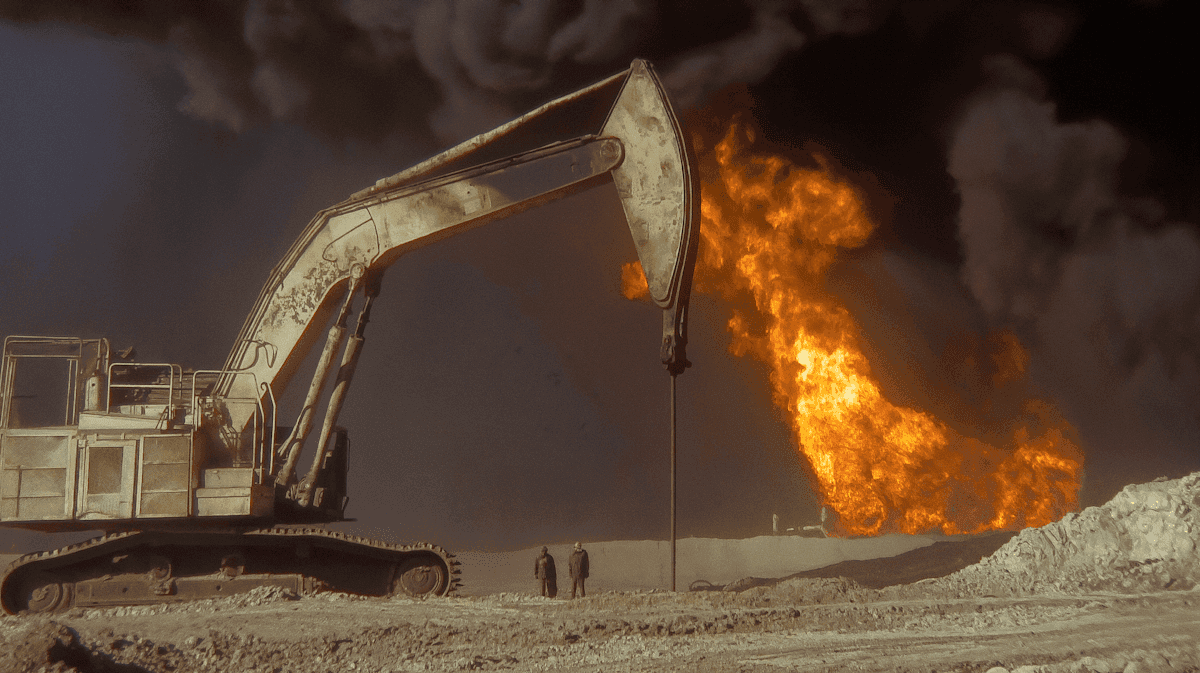
What does this setback mean for efforts to address global warming, and will the voluntary carbon market's structural flaws be enough to derail climate action? The voluntary carbon market (VCM) has been widely promoted as a tool for businesses, governments, and other entities to offset their greenhouse gas emissions by purchasing carbon offset credits from projects that purportedly reduce or remove carbon dioxide emissions from the atmosphere. However, a 2025 report by Corporate Accountability analyzing the world's largest carbon offset projects found widespread structural failures, revealing that even projects promoted by the market's leading registries often fail to deliver the promised emissions reductions reliably. The VCM's design is plagued by systemic challenges, including over-crediting, non-additionality, leakage, and non-permanence risks. These flaws are not isolated but reflect recurring patterns across multiple registries, sectors, and project types. The persistence of these risks demonstrates that the associated loopholes are deeply embedded in the VCM's design, making it difficult to ensure the integrity of the market. Furthermore, the involvement of multiple actors with vested interests further complicates the VCM, creating structural conflicts of interest that make self-regulation unreliable. The failures of the VCM have significant implications for climate action, particularly in low-income countries where communities bear the social, environmental, and economic burdens of projects that fail to deliver meaningful climate benefits. The market's inability to provide lasting climate impact raises broader questions about its role in addressing global warming. To achieve meaningful climate action, policymakers, investors, and corporate actors must critically assess whether participation in the VCM genuinely advances climate goals or inadvertently perpetuates harm and inequity. Ultimately, the structural flaws within the VCM suggest it is not fit for purpose, and a shift towards direct, lasting emissions reductions at the source, systemic reform, and projects that reliably protect communities and restore ecological balance is necessary to address global warming effectively.

Subscribe to us!
Sign up to explore insights and stay connected.


Let's Collaborate!
To provide more relevant information, it would be helpful to clarify the specific context or area.


Our Phone
+(852) 3156 7929
Our Email
Our Address
23/F, Tower 2, Enterprise Square Five, 38 Wang Chiu Road, Kowloon Bay, Kowloon, Hong Kong