What does mandatory cost recovery unlock for achieving national food waste circularity?
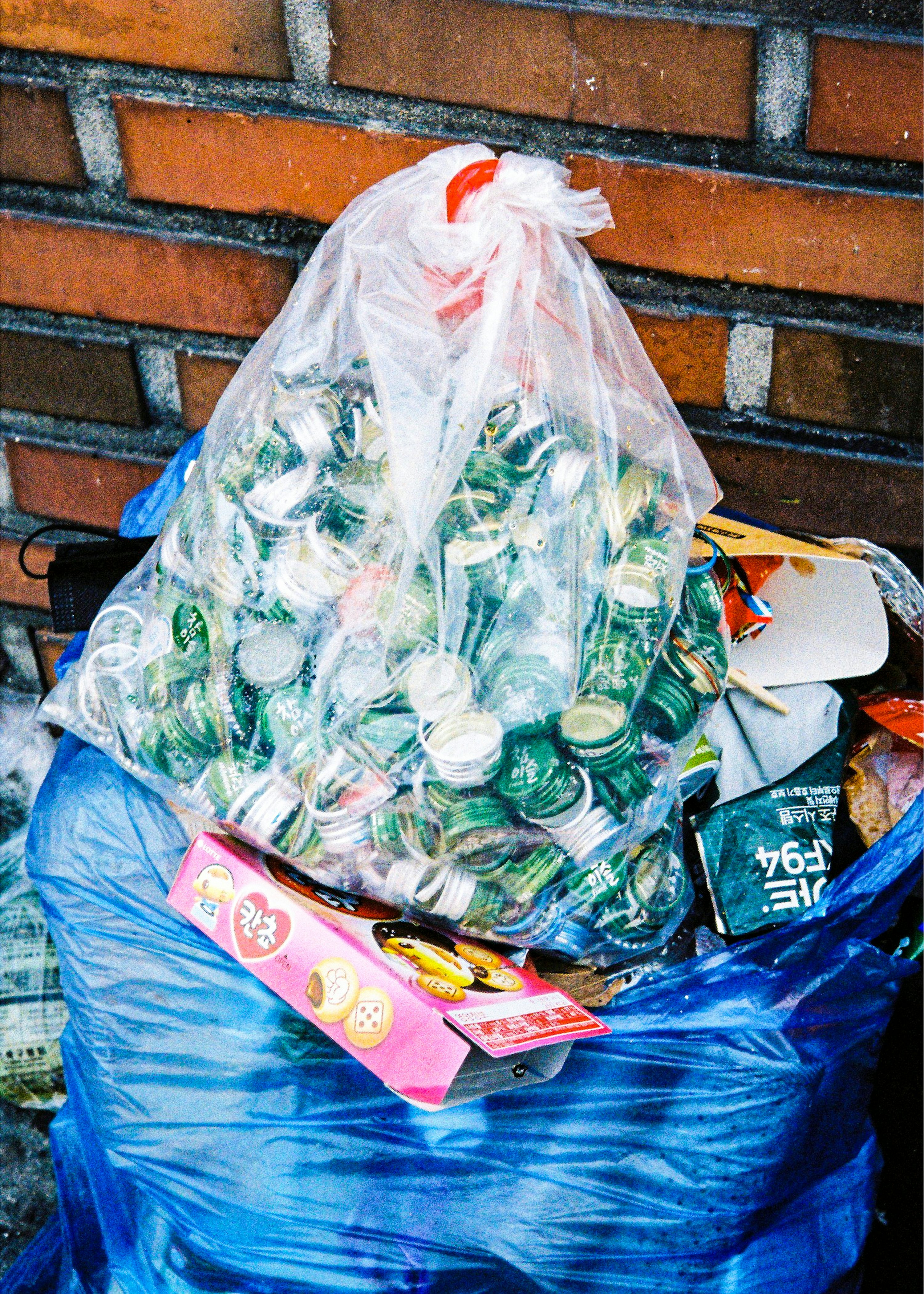
Previously, nations often treated organic material as a free disposal cost buried in landfills. Today, South Korea operates an advanced system where nearly 98% of its residential and commercial food scraps are recycled through comprehensive governmental policies. This massive diversion from landfill began with implementing a nationwide pay-as-you-throw structure for general refuse starting in 1995, critically banning unprocessed food waste disposal in landfills by 2005. Since then, households have been required to separate food scraps at source, paying fees via systems like RFID bins or designated bags based on weight. The operational mechanism involves residents tapping personal cards against automated collection units, which weigh the discarded contents and log the charge directly onto their monthly utility bill. Furthermore, this collected resource stream closes the loop nationally, generating substantial outputs including animal feed (42%), compost (33%), and biogas (16%). This model provides critical insights into sustainable urban planning and resource efficiency, aligning strongly with UN SDG 12 (Responsible Consumption and Production) and GRI standards focused on waste management. For investors, the successful establishment of robust municipal infrastructure demonstrates that market mechanisms—specifically making waste visible and costly—can drive profound behavioral change across entire populations. Regulators must recognize that policy mandates combined with direct household charges create far more resilient circular economies than simple subsidies alone. Companies should study the integration of technology, such as smart bin weighing and billing, not merely as an amenity but as core infrastructural components necessary for achieving high recycling rates. Adopting mandatory separation coupled with economic accountability mitigates Scope 3 emissions related to landfill methane generation, offering a clear pathway toward climate risk mitigation demanded by TCFD reporting frameworks.

Subscribe to us!
Sign up to explore insights and stay connected.


Let's Collaborate!
To provide more relevant information, it would be helpful to clarify the specific context or area.


Our Phone
+(852) 3156 7929
Our Email
Our Address
23/F, Tower 2, Enterprise Square Five, 38 Wang Chiu Road, Kowloon Bay, Kowloon, Hong Kong